Key Technical Standards
Two authoritative standards are currently predominantly followed in the domestic market:
Industry Engineering Code: *Technical Specification for Metal-Faced Thermal Insulation Sandwich Panels for Cold Storage Engineering* (T/CECS 619-2019). Implemented in February 2020, it covers the entire process, including material properties, design, construction, and acceptance.
Product Industry Standard: *Thermal Insulation Sandwich Panels for Modular Cold Storage* (JB/T 6527-2006). Implemented in 2007, it specifies testing methods for key indicators such as thermal conductivity and compressive strength.
Core Materials and Performance Parameters
Mainstream Core Material Technology: Polyurethane (PU) is the preferred core material for cold storage. It features a closed-cell rate of ≥90%, thermal conductivity of 0.018–0.024 W/(m·K), and a density of 40–50 kg/m³, with a fire rating reaching Class B1.
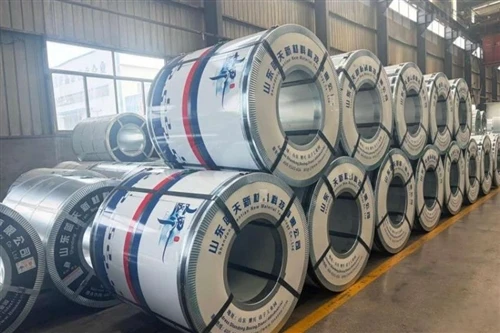
Facing Material Technology: Galvanized steel sheets and food-grade stainless steel sheets are commonly used (thickness ≥0.5 mm). These materials prevent condensation and deformation in low-temperature environments while offering corrosion resistance and ease of cleaning.
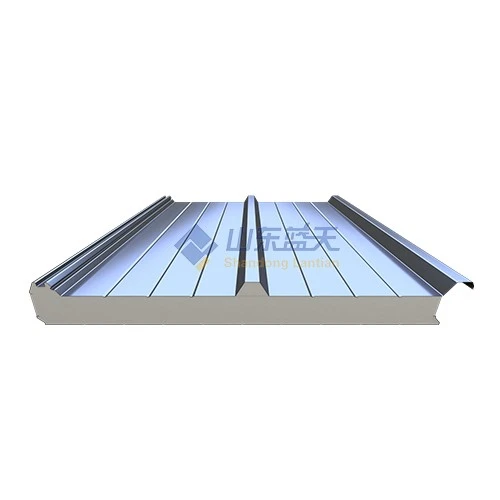
Specification Adaptation Technology: Thicknesses range from 50 mm to 300 mm and can be customized based on specific cold storage temperature requirements; standard panel widths are typically 960–1000 mm.
Manufacturing Technology
High-Pressure Foaming and Lamination Process: Polyurethane components (A and B sides) are mixed and injected into molds via high-pressure equipment for foaming. Some high-end production lines utilize low-carbon pentane foaming technology, which is fluorine-free, eco-friendly, and ensures more stable thermal insulation performance.
Airtight Interlocking Structure Technology: Optimized tongue-and-groove edge designs ensure seamless sealing at joints, significantly reducing the risk of cold leakage caused by thermal bridges.