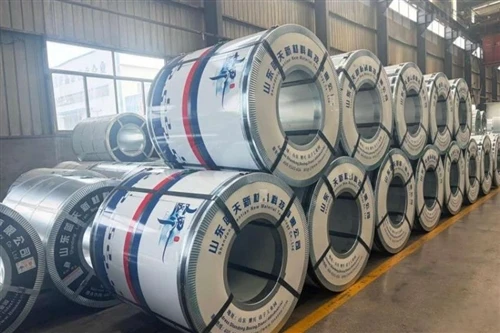
Sandwich panels offer significant advantages for industrial facilities, primarily in the following areas:
Fire Safety Advantages
Class A non-combustible sandwich panels (such as those with rock wool cores) feature a core material with a melting point exceeding 1,000°C. They do not burn or release toxic fumes when exposed to fire and offer a fire resistance rating of 1–2 hours. By effectively containing the spread of fire and buying time for personnel evacuation and firefighting efforts, they fully comply with fire safety regulations for high-risk facilities like chemical plants and warehouses.
Energy Efficiency and Consumption Reduction
With thermal conductivity as low as 0.035–0.043 W/(m·K), sandwich panels effectively block heat transfer. Compared to uninsulated brick-and-concrete facilities, they can reduce heating and air-conditioning energy consumption by over 35%, leading to substantial long-term operational cost savings.
Construction and Cost Advantages
The panels weigh only one-thirtieth of brick walls, and modular installation can shorten construction schedules by 40%–50%, significantly cutting labor costs. Additionally, they reduce the load on steel structure foundations; for large-span facilities, this eliminates the need for extra structural reinforcement, resulting in lower overall costs.
Environmental Adaptability
The porous fiber structure of rock wool sandwich panels provides sound insulation of 29–35 dB, effectively dampening loud equipment noise and improving the working environment. Certain panels featuring hydrophobic coatings remain stable in humid conditions, resisting water absorption, moisture damage, and deformation.